

In today's fast-paced digital world, the reliability of power supply is crucial for businesses and organizations to maintain seamless operations. An Uninterruptible Power Supply (UPS) plays a vital role in ensuring continuous power availability, safeguarding critical systems, and minimizing downtime. This article will delve into the definition, working principle, and importance of UPS systems.
What is an Uninterruptible Power Supply (UPS)?
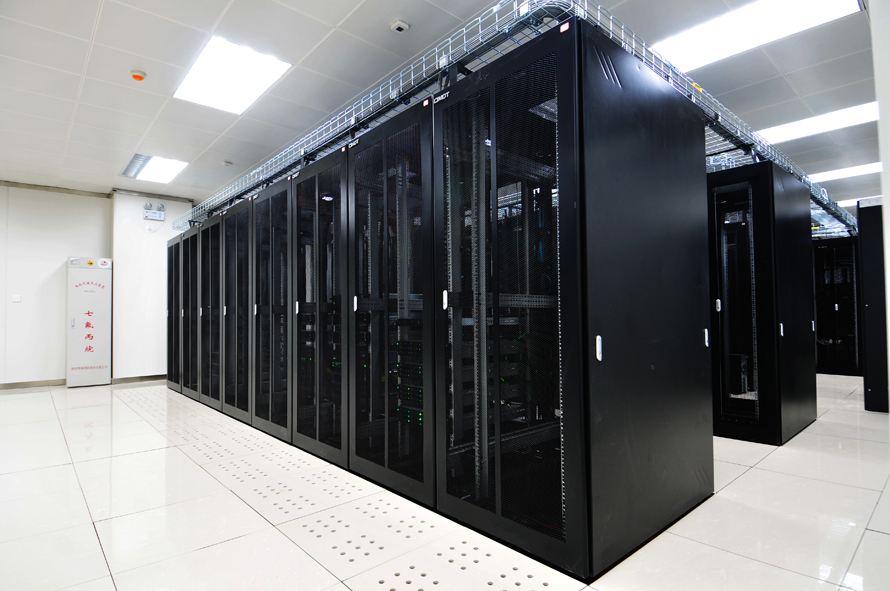
An Uninterruptible Power Supply (UPS) is a device that provides emergency power to a load in case of power failure. It sits between the primary power source (such as utility power) and the connected equipment, acting as a buffer to protect against power outages, voltage fluctuations, and other power-related issues. UPS systems are widely used in various industries, including data centers, healthcare facilities, financial institutions, and manufacturing plants, where even a brief power interruption can lead to significant consequences.

How Does a UPS System Work?
The working principle of a UPS system involves several key components and processes:
Power Input and Conditioning
The UPS receives power from the primary source and conditions it to eliminate noise, voltage spikes, and other irregularities. This ensures that the connected equipment receives clean and stable power.
Battery Backup
The core component of a UPS is its battery system. When the primary power source fails or experiences a significant drop in voltage, the UPS instantly switches to battery power. This transition is seamless and typically occurs within milliseconds, ensuring that the connected equipment remains operational without interruption.
Inverter
The battery stores energy in direct current (DC) form, but most electrical devices require alternating current (AC) power. The inverter within the UPS converts the DC power from the battery into AC power to supply the connected equipment.
Monitoring and Control
Modern UPS systems are equipped with advanced monitoring and control mechanisms. They continuously monitor the power input, battery status, and load conditions. In case of any abnormality, the UPS can take corrective actions, such as shutting down the connected equipment safely or alerting the system administrator.
Bypass Function
Some UPS systems feature a bypass function that allows power to flow directly from the primary source to the connected equipment, bypassing the UPS components. This mode is used during maintenance or when the UPS is overloaded, ensuring that the equipment remains powered.
Types of UPS Systems
There are two main types of UPS systems, each designed to meet different power protection needs:
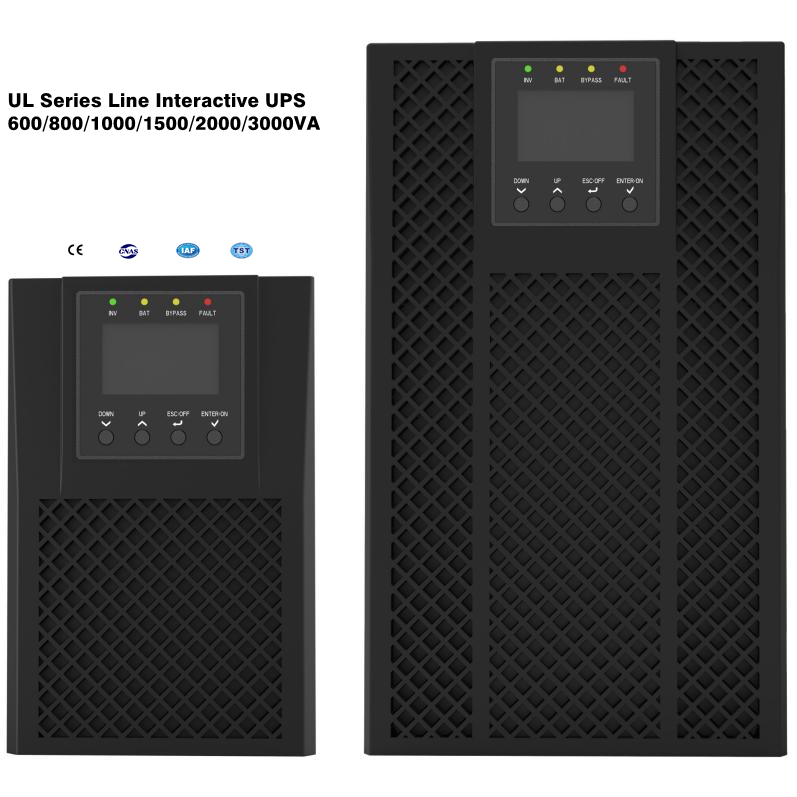
Line-Interactive UPS
This type of UPS offers additional power conditioning capabilities. It can correct minor power fluctuations without switching to battery mode, making it more efficient and suitable for environments with frequent power disturbances.
Online UPS
An online UPS provides the highest level of power protection. It constantly converts power from the primary source to the connected equipment, ensuring that the output power is always clean and stable. Online UPS systems are ideal for mission-critical applications where even the slightest power interruption is unacceptable.
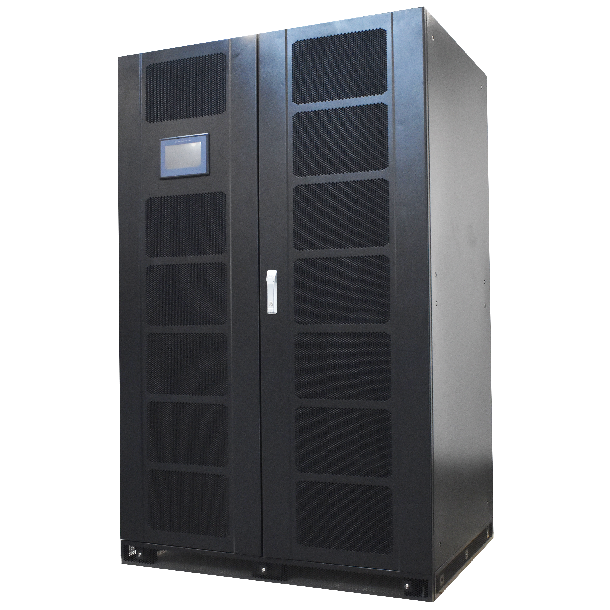
At Unitronic Power, we provide tailored UPS solutions to meet your specific power protection needs. For basic backup requirements, our UL Series Line Interactive UPS 600/800/1000/1500/2000/3000VA offers reliable power continuity with minimal energy consumption, making it ideal for small to medium-sized businesses. For enhanced power conditioning, the UN11 Series High Frequency Online UPS Single-Phase actively regulates voltage fluctuations, ensuring stable power supply and extending equipment lifespan.
The Importance of UPS Systems
In today's highly dependent digital infrastructure, UPS systems are indispensable. They protect against data loss, equipment damage, and operational downtime. By providing a reliable backup power source, UPS systems ensure that critical systems can continue to function during power outages, thereby maintaining business continuity and safeguarding valuable assets.
In conclusion, an Uninterruptible Power Supply (UPS) is a crucial component in modern power management. Its ability to provide instant power backup and protect against power anomalies makes it an essential investment for any organization seeking to enhance reliability and minimize the risk of power-related disruptions.
Tags: Power Management, UPS Systems, Data Protection, Power Conditioning, Business Continuity, Emergency Power, Power Reliability, Data Centers, Industrial Applications